

Making homemade wax is a rewarding and cost-effective way to create your own natural wax for various purposes, whether it’s for waxing your skin, candles, or even for sealing and finishing wood. The process is simple, requires only a few basic ingredients, and can be customized to suit your needs. This guide will walk you through the steps to make your own wax from scratch.
Gathering Your Ingredients
The primary ingredients for making homemade wax are beeswax, coconut oil, and essential oils. Beeswax is the main component, providing waxbee the structure and hardness of the wax, while coconut oil helps to soften it, making it easier to work with. Essential oils are optional but can add fragrance and other beneficial properties.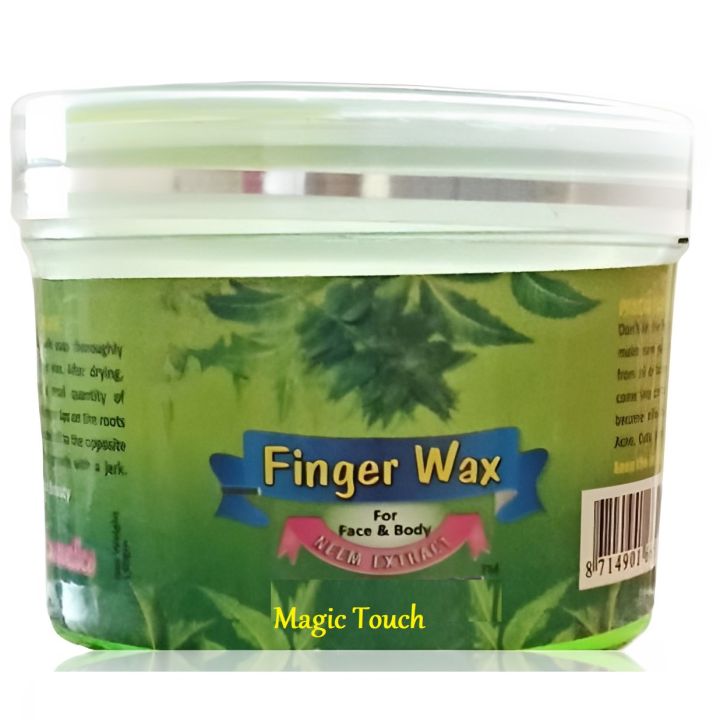
Melting the Beeswax
Start by cutting or grating the beeswax into small pieces. The smaller the pieces, the quicker and more evenly they will melt. Place the beeswax into a heatproof container, such as a glass jar, and set it in a double boiler. If you don’t have a double boiler, you can use a saucepan filled with a little water, and place the glass jar or heatproof container inside it. Slowly heat the beeswax, stirring occasionally until it is fully melted.
Adding Coconut Oil
Once the beeswax has melted completely, add the coconut oil to the mixture. The ratio of beeswax to coconut oil depends on the consistency you want for your homemade wax. For a firmer wax, use more beeswax, and for a softer wax, use more coconut oil. Stir the two ingredients together until they are well combined.
Incorporating Essential Oils (Optional)
If you want to add fragrance or therapeutic benefits to your homemade wax, now is the time to add essential oils. Choose oils that suit your needs, such as lavender for relaxation or tea tree for its antibacterial properties. Add a few drops of your chosen essential oils and stir well.
Pouring and Cooling the Wax
Once the mixture is fully combined and your desired consistency is reached, carefully pour the wax into your chosen mold or container. This could be a small tin for skin wax, a candle mold, or even a silicone mold. Allow the wax to cool and harden at room temperature for several hours.
Using Your Homemade Wax
Once the wax has cooled and solidified, it is ready for use. Depending on what you’ve made it for, you can start using it immediately. For example, homemade wax for skin can be applied directly to the body, while candle wax can be used to make beautiful homemade candles.
Conclusion
Making your own homemade wax is not only an enjoyable project, but it also allows you to have control over the ingredients you use. With just a few simple materials, you can create a high-quality, natural wax that serves a variety of purposes. Whether you’re making skin care products, candles, or a variety of other items, homemade wax is a versatile and satisfying DIY project.
